
Explore practical insights, construction expertise, project guidance, and industry updates covering everything from civil works and building construction to maintenance and project management.
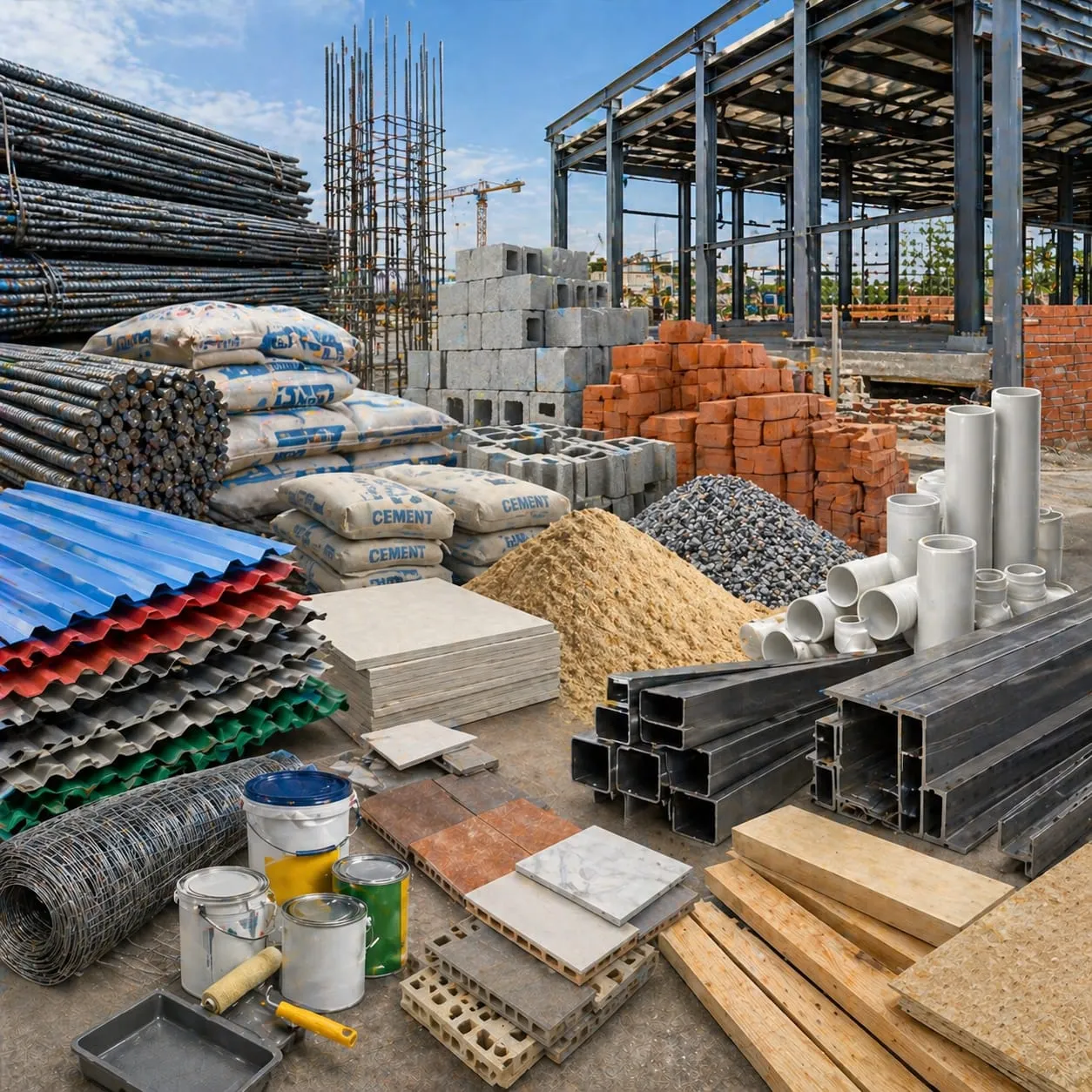
A well-built structure starts with the right materials. From concrete and steel to waterproofing products, finishes, and fittings, every material used in a project contributes to its overall performance and durability. Using appropriate, reliable materials can help reduce premature deterioration, repairs, and unnecessary maintenance. But quality materials alone are not enough. They must also be stored correctly, handled properly, and installed according to the required..
A well-built structure starts with the right materials. From concrete and steel to waterproofing products, finishes, and fittings, every material used in a project contributes to its overall performance and durability. Using appropriate, reliable materials can help reduce premature deterioration, repairs, and unnecessary maintenance. But quality materials alone are not enough. They must also be stored correctly, handled properly, and installed according to the required standards. At every stage of construction, small decisions can have a long-term impact. Good materials, combined with good workmanship, create buildings that stand the test of time.
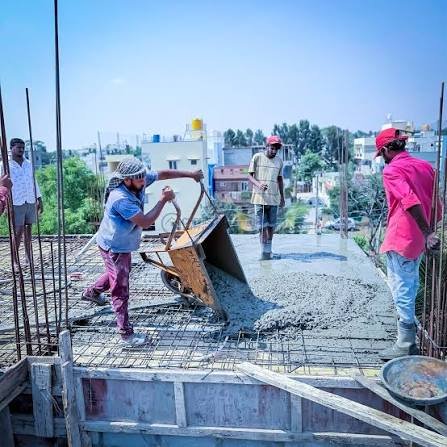
Concrete is one of the most widely used materials in construction, but achieving good concrete work requires more than simply mixing and pouring. The quality of the final result depends on several factors, including proper mix selection, accurate preparation, reinforcement placement, formwork, pouring, compaction, and curing. Attention to these details helps achieve the required strength and durability while reducing the risk of cracks, defects, and future repairs. In construction, some of the most..
Concrete is one of the most widely used materials in construction, but achieving good concrete work requires more than simply mixing and pouring. The quality of the final result depends on several factors, including proper mix selection, accurate preparation, reinforcement placement, formwork, pouring, compaction, and curing. Attention to these details helps achieve the required strength and durability while reducing the risk of cracks, defects, and future repairs. In construction, some of the most important work is often the work that is not immediately visible. When the foundation and structural elements are done right, everything built on top of them has a stronger beginning.
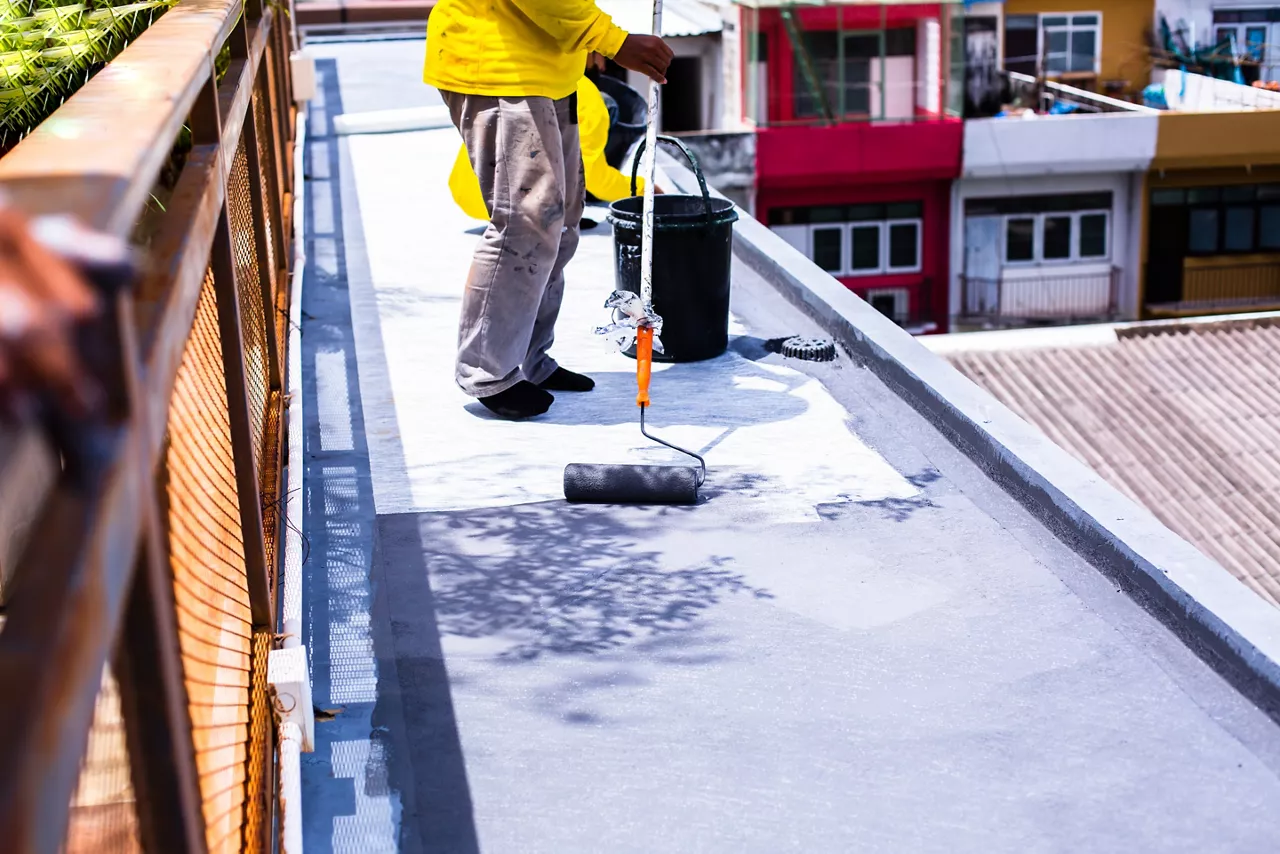
Water may seem harmless, but uncontrolled moisture can become one of the most expensive problems a building can face. Poor waterproofing can lead to dampness, mould, deterioration of finishes, corrosion, and damage to structural elements. Areas such as roofs, bathrooms, basements, balconies, and water tanks require particular attention. The best time to think about waterproofing is before water becomes a problem. Using suitable systems..
Water may seem harmless, but uncontrolled moisture can become one of the most expensive problems a building can face. Poor waterproofing can lead to dampness, mould, deterioration of finishes, corrosion, and damage to structural elements. Areas such as roofs, bathrooms, basements, balconies, and water tanks require particular attention. The best time to think about waterproofing is before water becomes a problem. Using suitable systems and ensuring proper surface preparation and application can provide long-term protection and reduce future maintenance requirements. Good waterproofing is something you may not notice every day—and that is exactly the point.
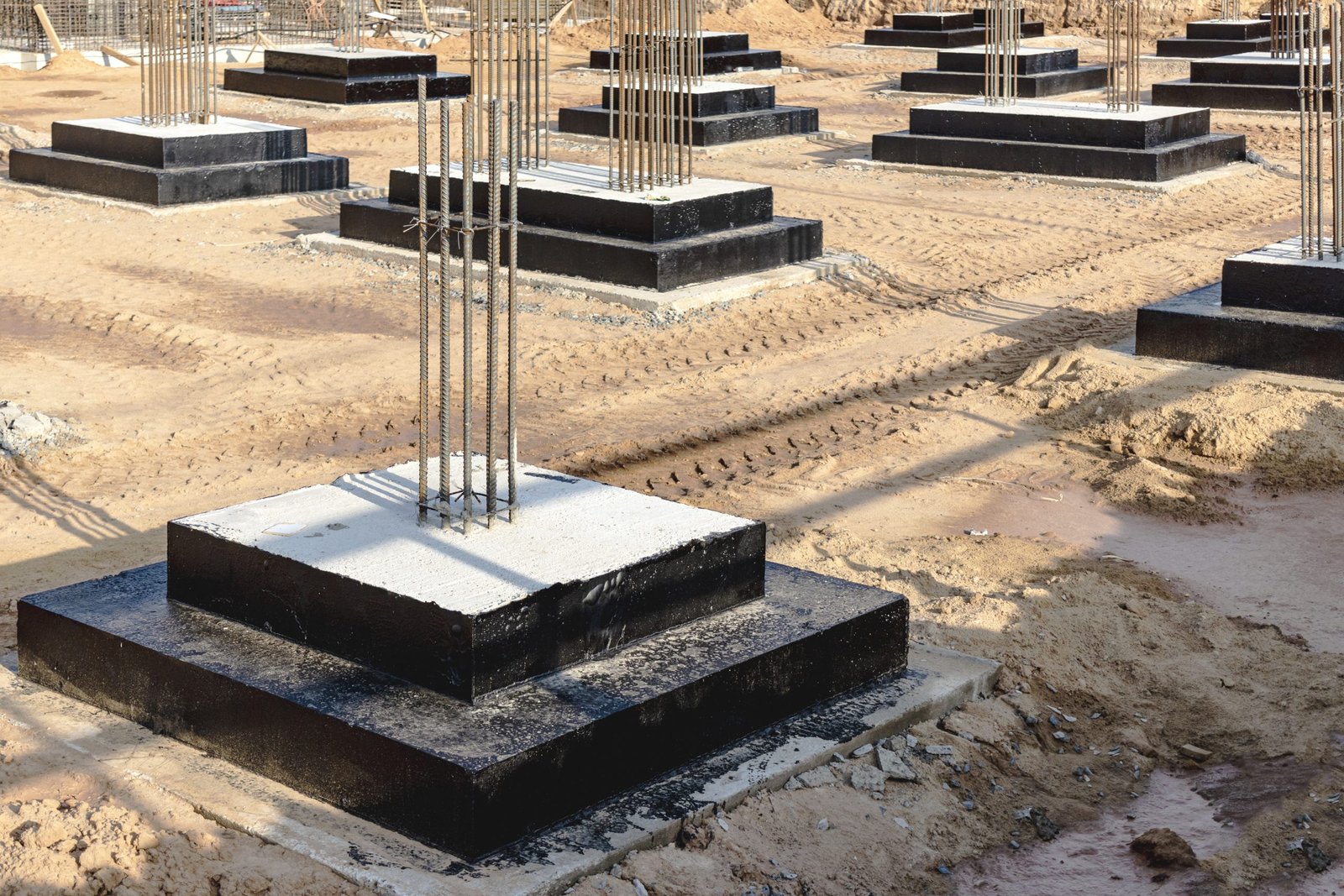
A strong and reliable structure begins with quality civil works. Discover how proper earthworks, foundations, concrete construction, drainage, and road works contribute to safe, durable, and long-lasting infrastructure. Quality construction practices also help improve structural stability, minimize future maintenance requirements, and ensure better performance over time. From selecting the right materials to following proper construction methods, every..
A strong and reliable structure begins with quality civil works. Discover how proper earthworks, foundations, concrete construction, drainage, and road works contribute to safe, durable, and long-lasting infrastructure. Quality construction practices also help improve structural stability, minimize future maintenance requirements, and ensure better performance over time. From selecting the right materials to following proper construction methods, every stage plays an important role in achieving reliable results. Explore the key factors that contribute to strong foundations and well-built infrastructure. Learn why attention to detail and adherence to quality standards are essential for the success of every civil construction project.

A construction project is a major investment, and choosing the right contractor can make a significant difference to its success. While cost is important, it should not be the only consideration. Experience, workmanship, project management, safety practices, communication, and the ability to deliver on commitments are equally important. A reliable construction partner understands that every project is different. They take time to understand the requirements,
A construction project is a major investment, and choosing the right contractor can make a significant difference to its success. While cost is important, it should not be the only consideration. Experience, workmanship, project management, safety practices, communication, and the ability to deliver on commitments are equally important. A reliable construction partner understands that every project is different. They take time to understand the requirements, identify potential challenges, coordinate the work properly, and maintain quality throughout the project. Good construction is not simply about completing a building. It is about creating something that is safe, functional, durable, and built to serve its purpose for years to come.
Many construction challenges can be avoided before work even begins. Good planning helps establish clear timelines, resource requirements, material schedules, manpower needs, and coordination between different activities. It also allows potential problems to be identified early rather than when they become expensive delays. Construction rarely goes exactly according to the original plan. Weather, material availability, site conditions, and design changes can..
Many construction challenges can be avoided before work even begins. Good planning helps establish clear timelines, resource requirements, material schedules, manpower needs, and coordination between different activities. It also allows potential problems to be identified early rather than when they become expensive delays. Construction rarely goes exactly according to the original plan. Weather, material availability, site conditions, and design changes can all affect progress. Good project management means being prepared to respond without losing sight of the overall objective. A few extra hours spent planning can save days of unnecessary work later. That is why we believe good construction starts long before the first brick is laid.
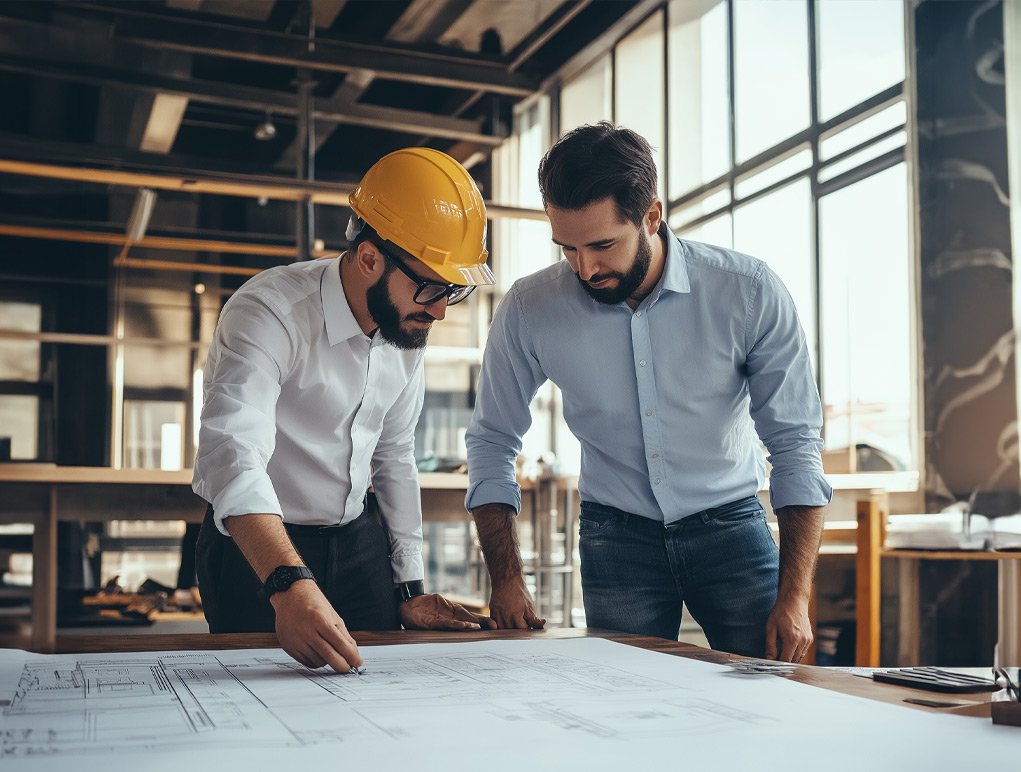
A well-managed construction site is more than a place where work happens. It is where planning, people, materials, equipment, and deadlines come together. Good site management keeps activities organised and ensures that different teams can work efficiently without unnecessary interruptions. Proper material storage, housekeeping, safety checks, workforce coordination, and daily monitoring all contribute to smoother project execution. Even a well-
A well-managed construction site is more than a place where work happens. It is where planning, people, materials, equipment, and deadlines come together. Good site management keeps activities organised and ensures that different teams can work efficiently without unnecessary interruptions. Proper material storage, housekeeping, safety checks, workforce coordination, and daily monitoring all contribute to smoother project execution. Even a well-designed project can face difficulties if site management is poor. Good management turns a construction plan into coordinated action.
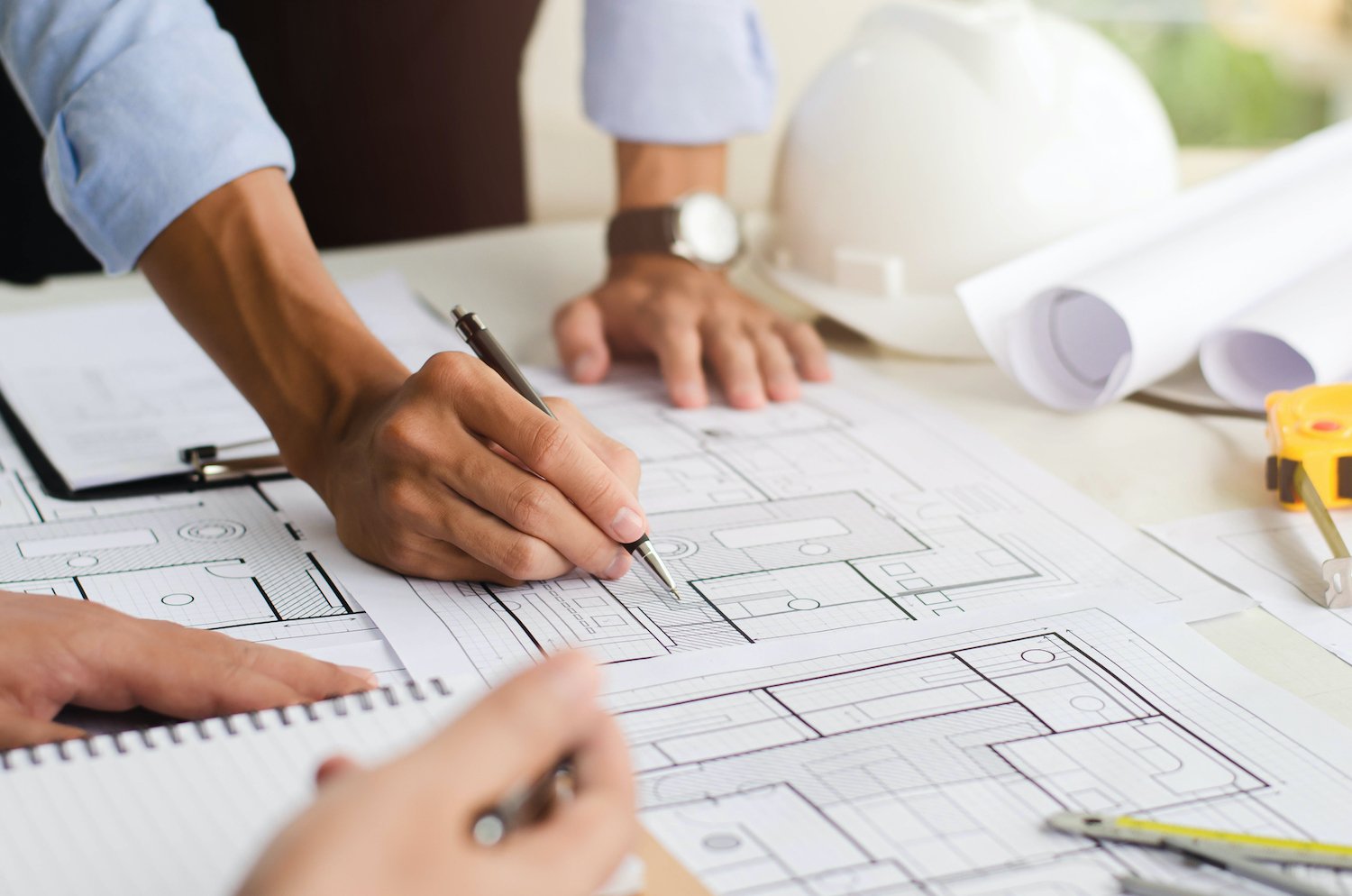
Every successful building project requires careful planning and precise execution. Learn about the essential stages of residential, commercial, industrial, and institutional construction—from initial planning and structural works to final completion. Each phase requires coordination between architects, engineers, contractors, suppliers, and other project stakeholders. Effective project management, quality materials, and timely execution help ensure that..
Every successful building project requires careful planning and precise execution. Learn about the essential stages of residential, commercial, industrial, and institutional construction—from initial planning and structural works to final completion. Each phase requires coordination between architects, engineers, contractors, suppliers, and other project stakeholders. Effective project management, quality materials, and timely execution help ensure that construction progresses smoothly and meets the required standards. Understanding these key stages provides valuable insight into how a concept is transformed into a functional and well-constructed building.
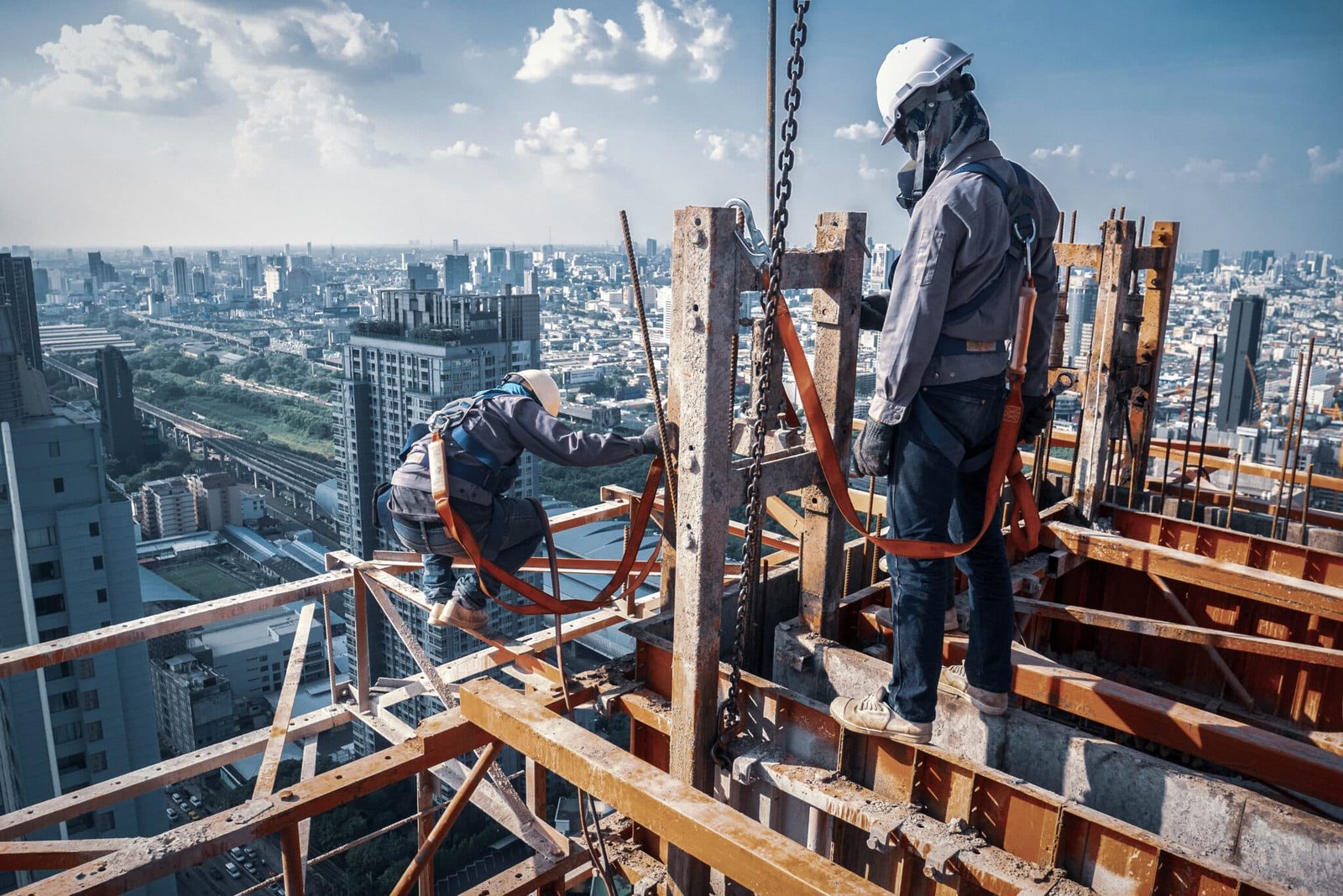
Construction is a busy environment. People, machinery, materials, and equipment are constantly moving, which makes safety an essential part of every project. A strong safety culture begins with proper planning. Identifying hazards, providing appropriate protective equipment, maintaining equipment, keeping work areas organised, and ensuring workers understand safe practices can significantly reduce risks. Safety should never be treated as..
Construction is a busy environment. People, machinery, materials, and equipment are constantly moving, which makes safety an essential part of every project. A strong safety culture begins with proper planning. Identifying hazards, providing appropriate protective equipment, maintaining equipment, keeping work areas organised, and ensuring workers understand safe practices can significantly reduce risks. Safety should never be treated as an additional task to be completed at the site. It should be part of the way the project is planned and executed. Because behind every project are people who deserve to return home safely every day. For us, successful construction means completing the work without compromising the safety of the people doing it.

The local climate, heat, humidity, dust, coastal conditions, and the demands placed on buildings all influence how construction and maintenance should be approached. Material selection, waterproofing, external finishes, insulation, drainage, ventilation, and regular maintenance can all play an important role in maintaining a building's performance over time. Understanding the local environment is therefore an important part of delivering..
The local climate, heat, humidity, dust, coastal conditions, and the demands placed on buildings all influence how construction and maintenance should be approached. Material selection, waterproofing, external finishes, insulation, drainage, ventilation, and regular maintenance can all play an important role in maintaining a building's performance over time. Understanding the local environment is therefore an important part of delivering practical and durable construction solutions. Good construction is not only about building well. It is about building appropriately for where the building stands.
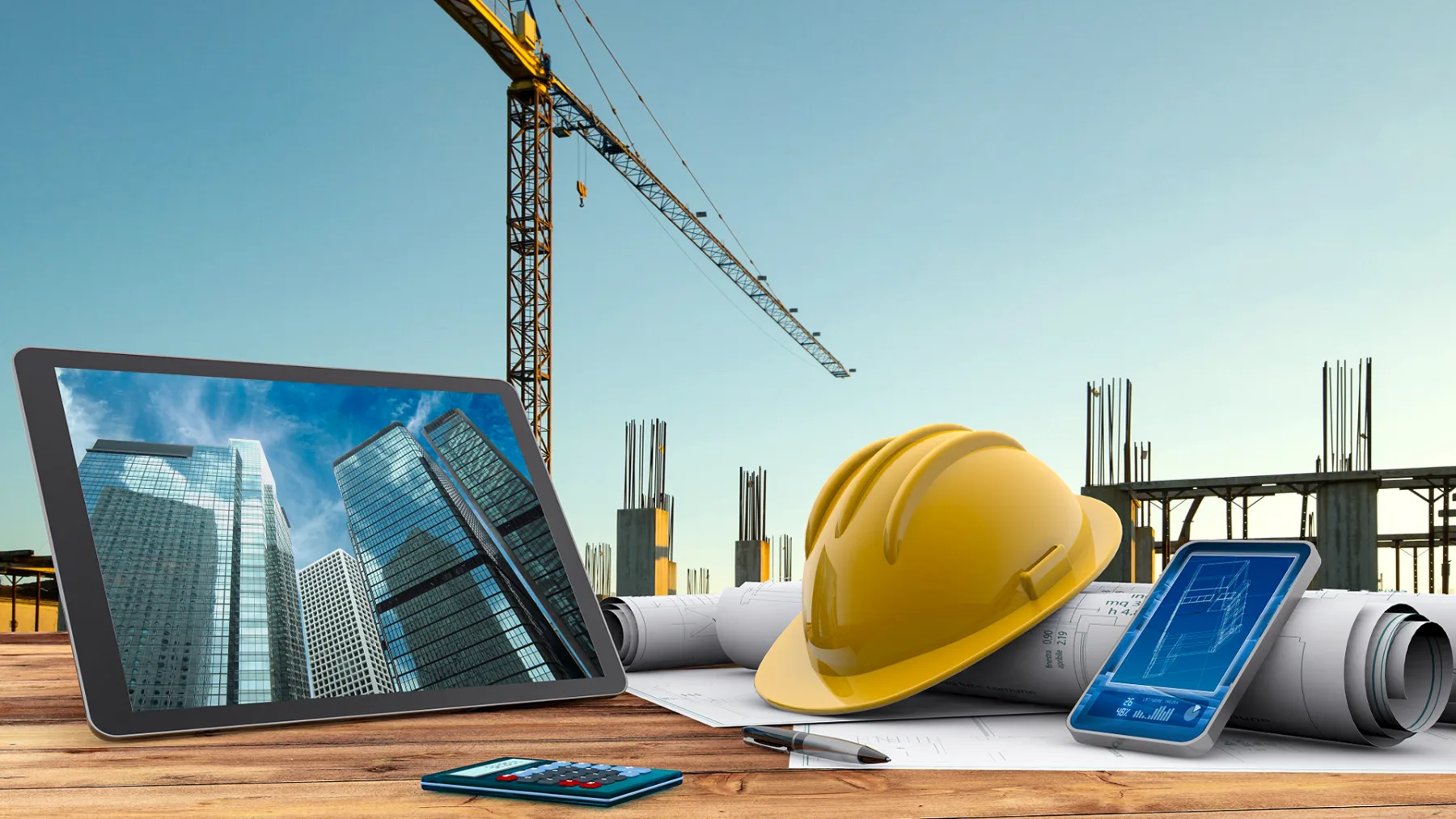
Not every building needs to be demolished and rebuilt. In many situations, renovation, refurbishment, or modification can provide a practical way to improve an existing property while preserving parts of the original structure. The right choice depends on the condition of the building, the required changes, structural considerations, budget, and the long-term purpose of the property. A proper assessment before starting work can help determine whether renovation
Not every building needs to be demolished and rebuilt. In many situations, renovation, refurbishment, or modification can provide a practical way to improve an existing property while preserving parts of the original structure. The right choice depends on the condition of the building, the required changes, structural considerations, budget, and the long-term purpose of the property. A proper assessment before starting work can help determine whether renovation makes sense or whether new construction would be more practical. Sometimes the best way forward is to build new. Sometimes it is to build better on what already exists.
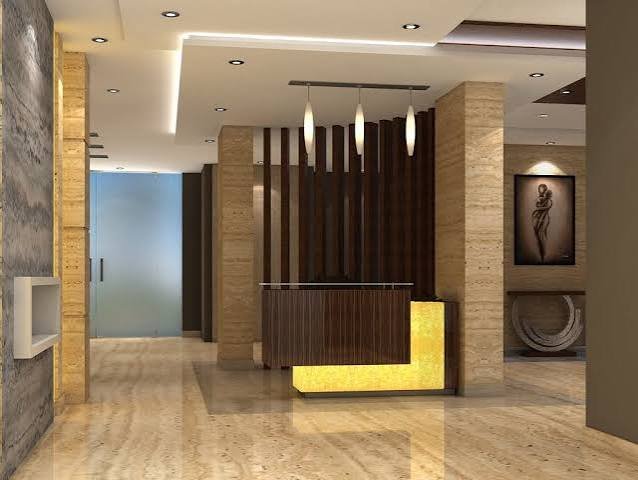
When people think about construction, they often focus on foundations, concrete, steel, and structural work. But finishing works are what ultimately shape the appearance, comfort, and functionality of a completed building. Flooring, painting, plastering, doors, windows, ceilings, fixtures, landscaping, and other finishing details all contribute to the final result. A small defect in a visible finishing area can affect how an entire space is perceived. That is why..
When people think about construction, they often focus on foundations, concrete, steel, and structural work. But finishing works are what ultimately shape the appearance, comfort, and functionality of a completed building. Flooring, painting, plastering, doors, windows, ceilings, fixtures, landscaping, and other finishing details all contribute to the final result. A small defect in a visible finishing area can affect how an entire space is perceived. That is why finishing should not be treated as an afterthought. The structure gives a building its strength. The finishing gives it its character.
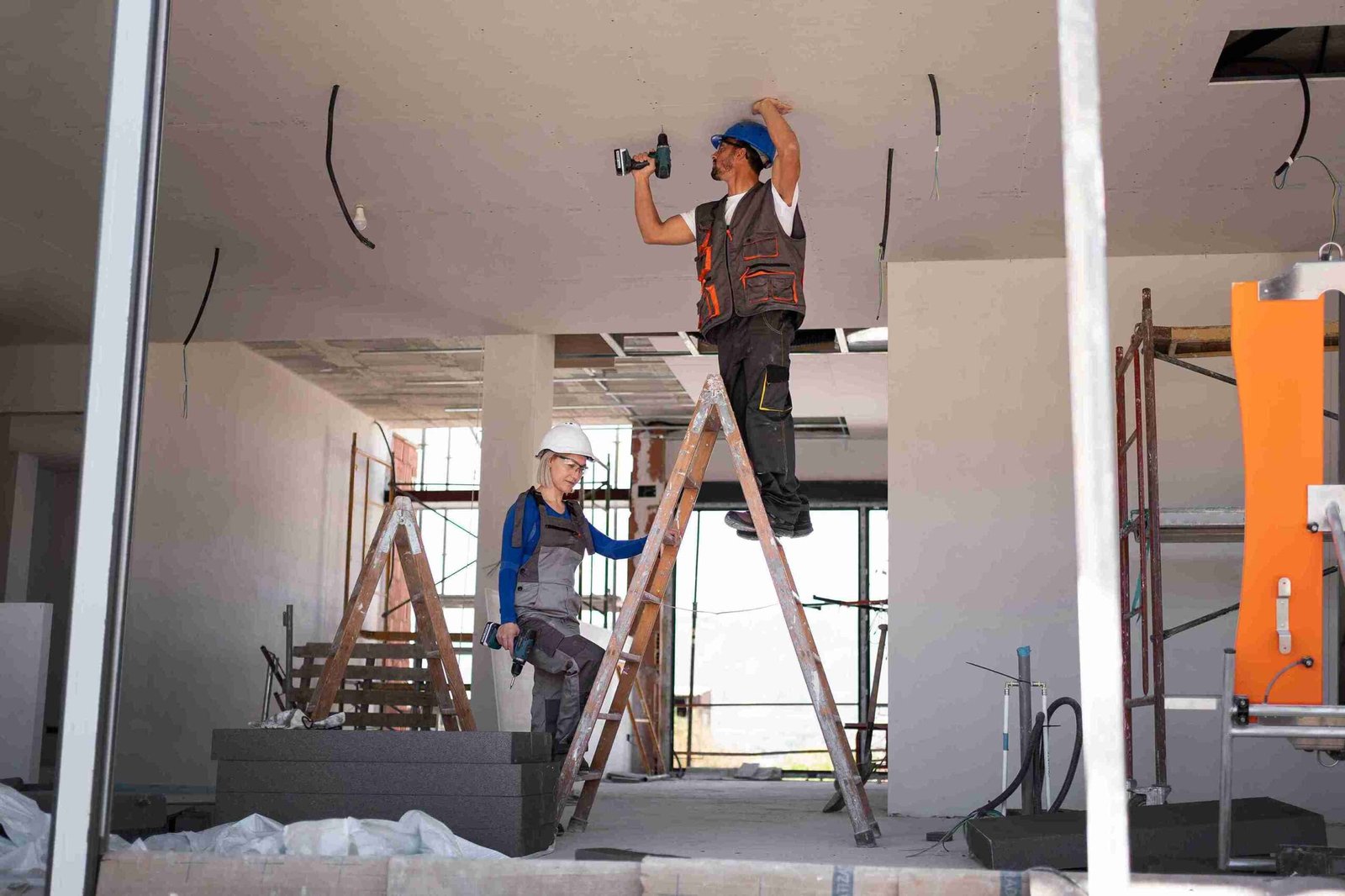
Preventive maintenance helps protect buildings, reduce unexpected repair costs, and extend the life of critical infrastructure. Explore practical maintenance approaches covering waterproofing, repairs, landscaping, and general building upkeep. Regular inspections can help identify minor issues before they develop into major problems, helping maintain the safety, appearance, and functionality of a property. Well-planned maintenance also supports efficient
Preventive maintenance helps protect buildings, reduce unexpected repair costs, and extend the life of critical infrastructure. Explore practical maintenance approaches covering waterproofing, repairs, landscaping, and general building upkeep. Regular inspections can help identify minor issues before they develop into major problems, helping maintain the safety, appearance, and functionality of a property. Well-planned maintenance also supports efficient building operations and helps preserve the value of the asset over the long term. Discover how a proactive approach to building maintenance can create cleaner, safer, and more dependable spaces for occupants and visitors.